Connect
Boston Voices — Nate Bishop
Senior Studio ART4417-01
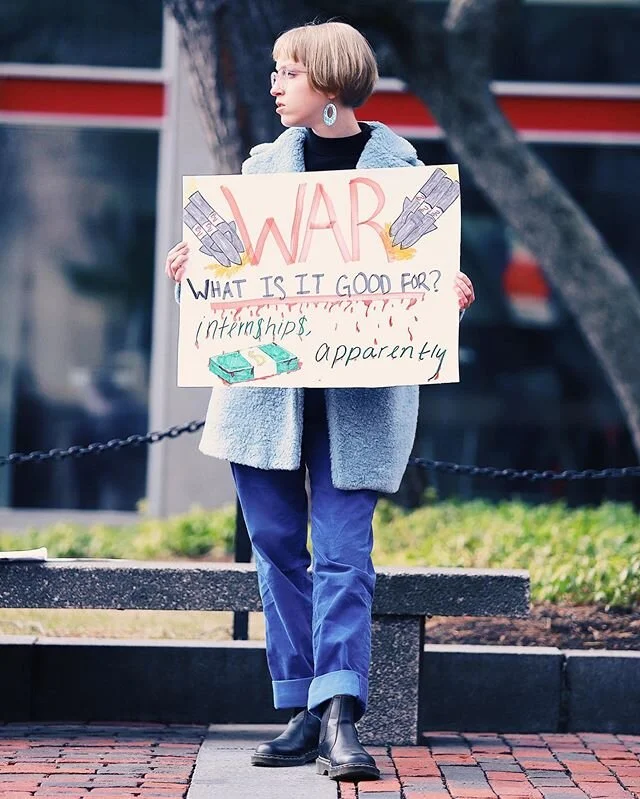
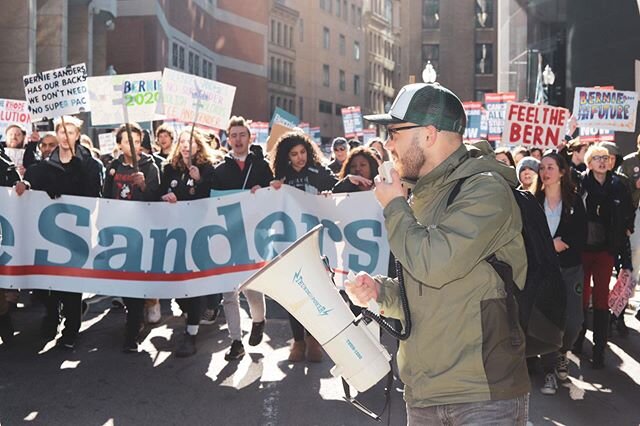
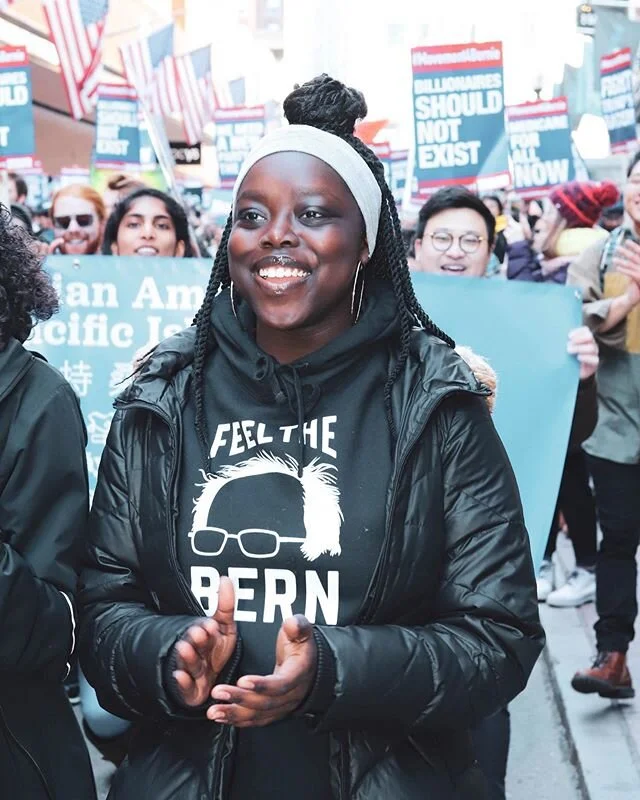
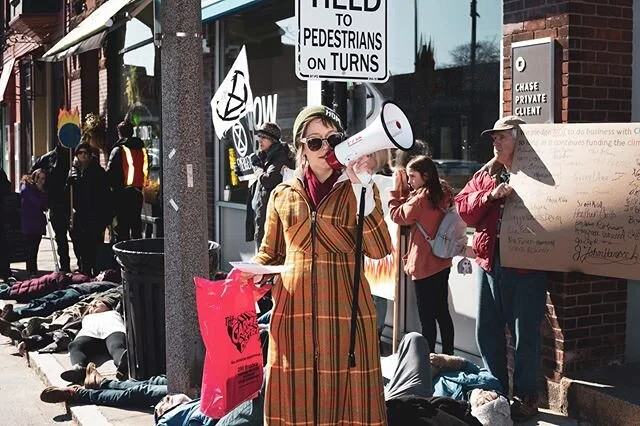
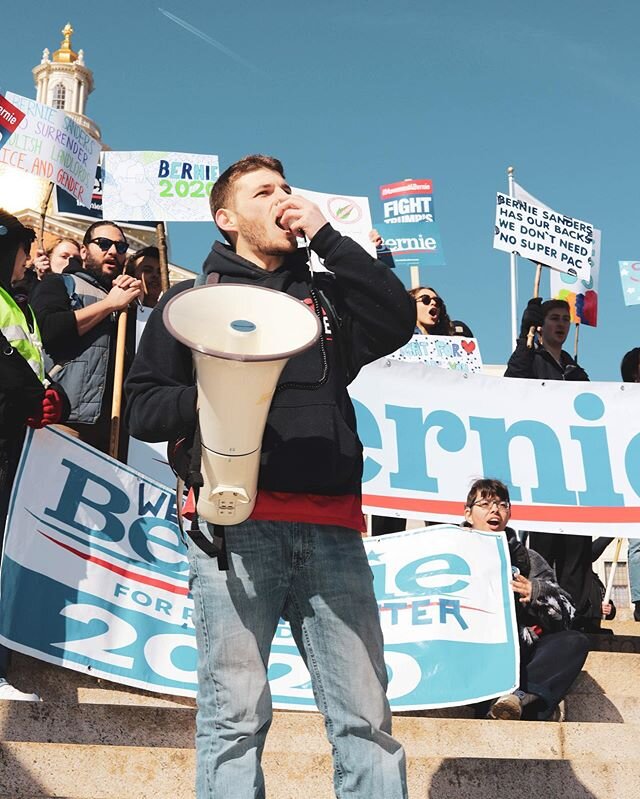
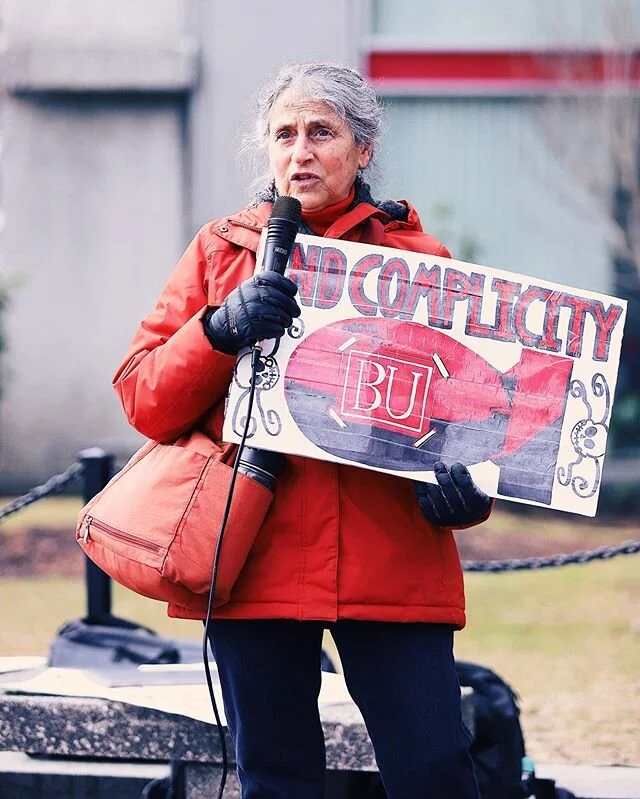
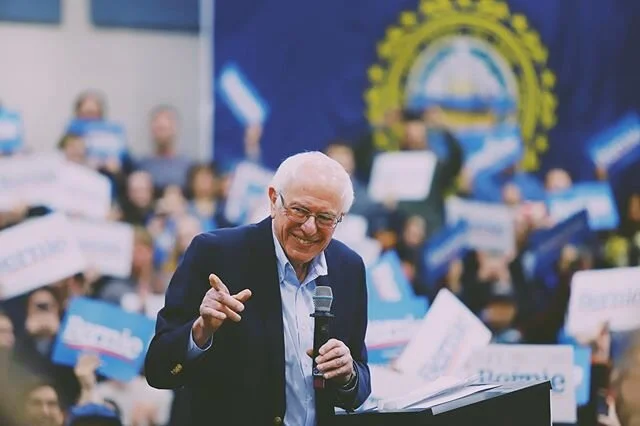
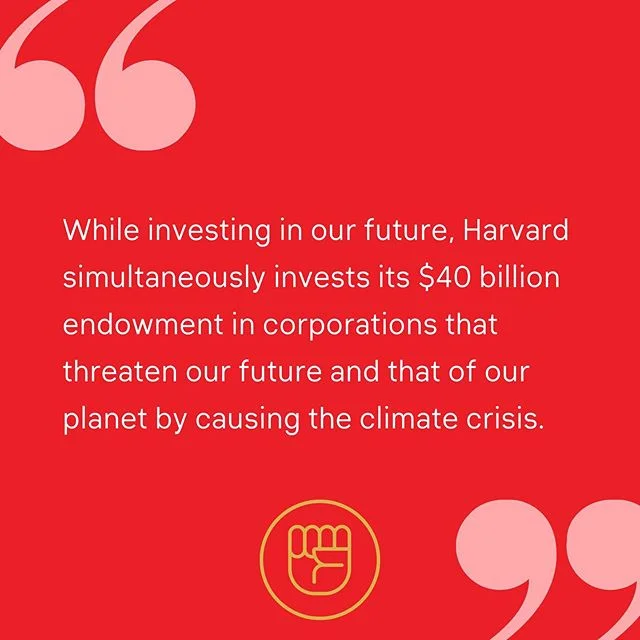
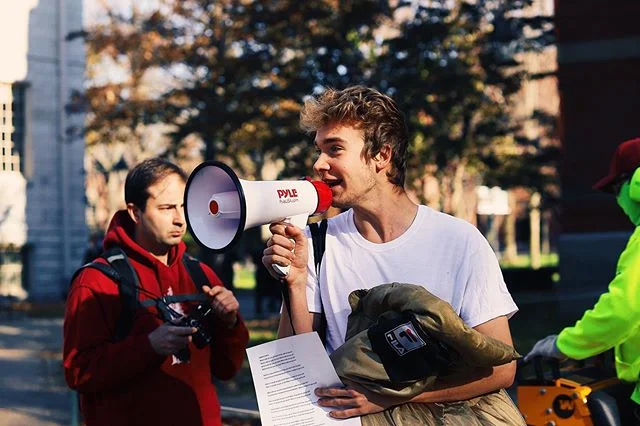
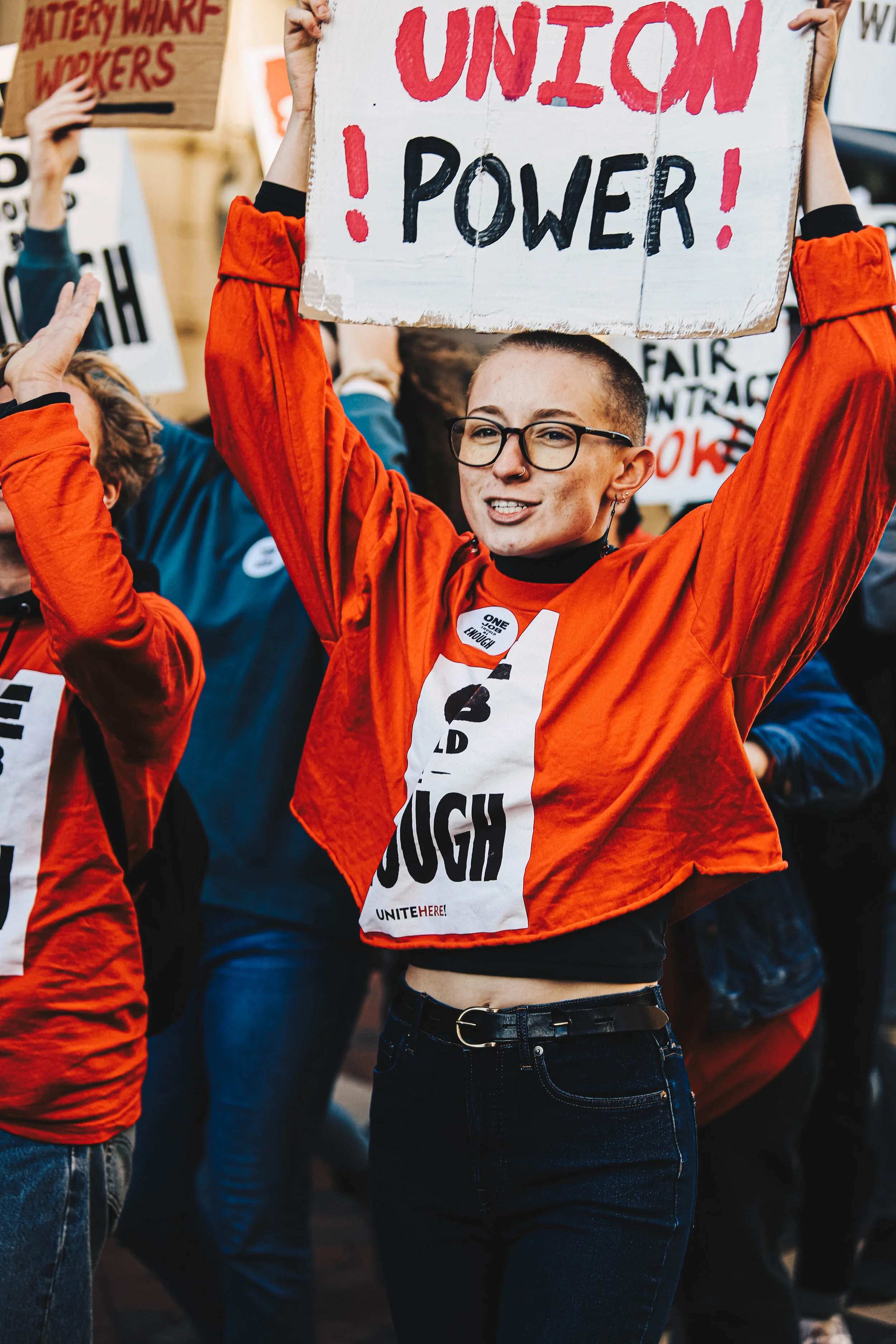
Boston Voices is a photographic documentation of activism in Boston. Events that make up this project so far are Shame on Marty Walsh, Battery Wharf Hotel Strike (x2), Flood the Seaport, Funeral for Humanity (the 6th Mass Extinction), Trump Pence Out Now (x3), and Harvard Oil Entanglements.
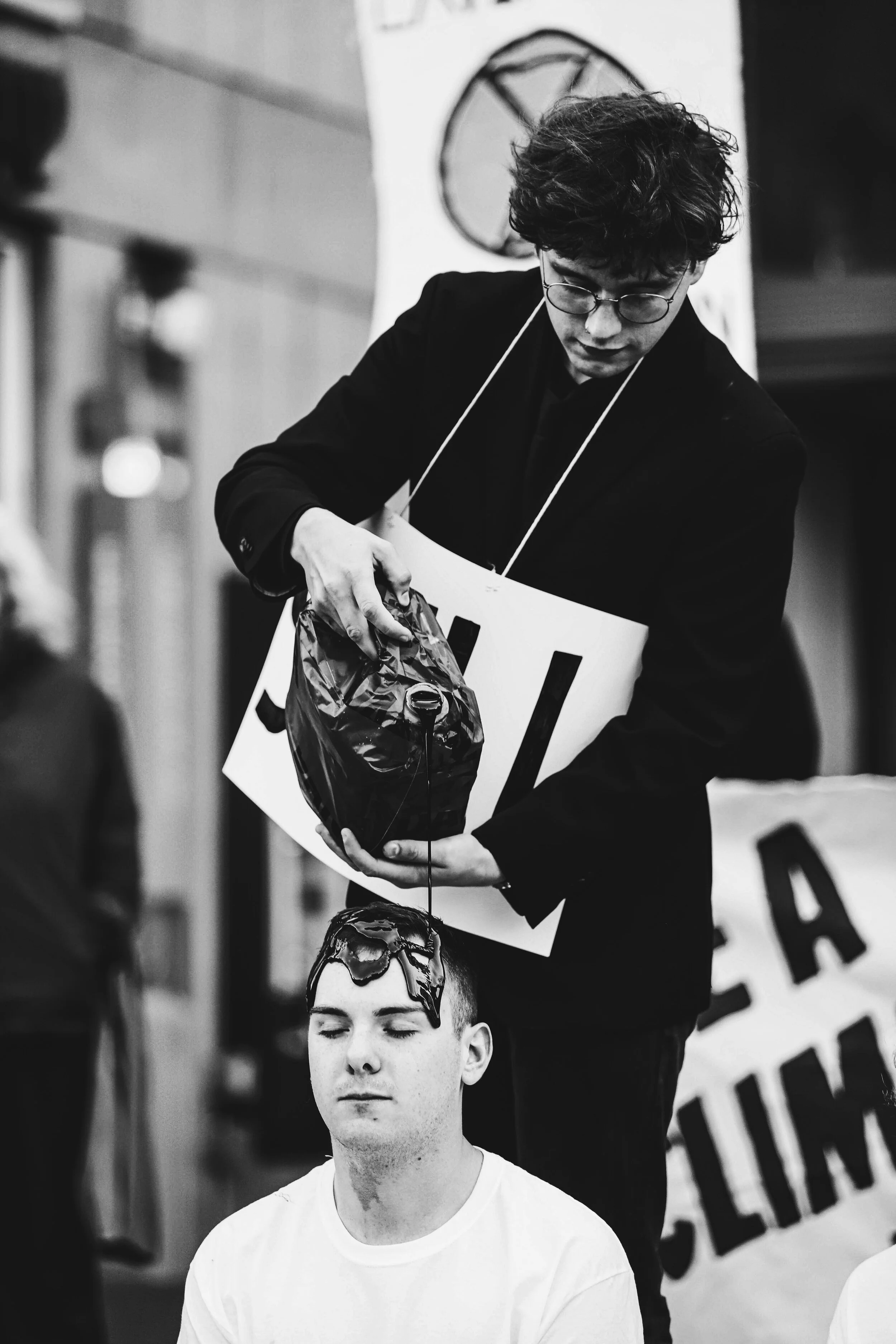
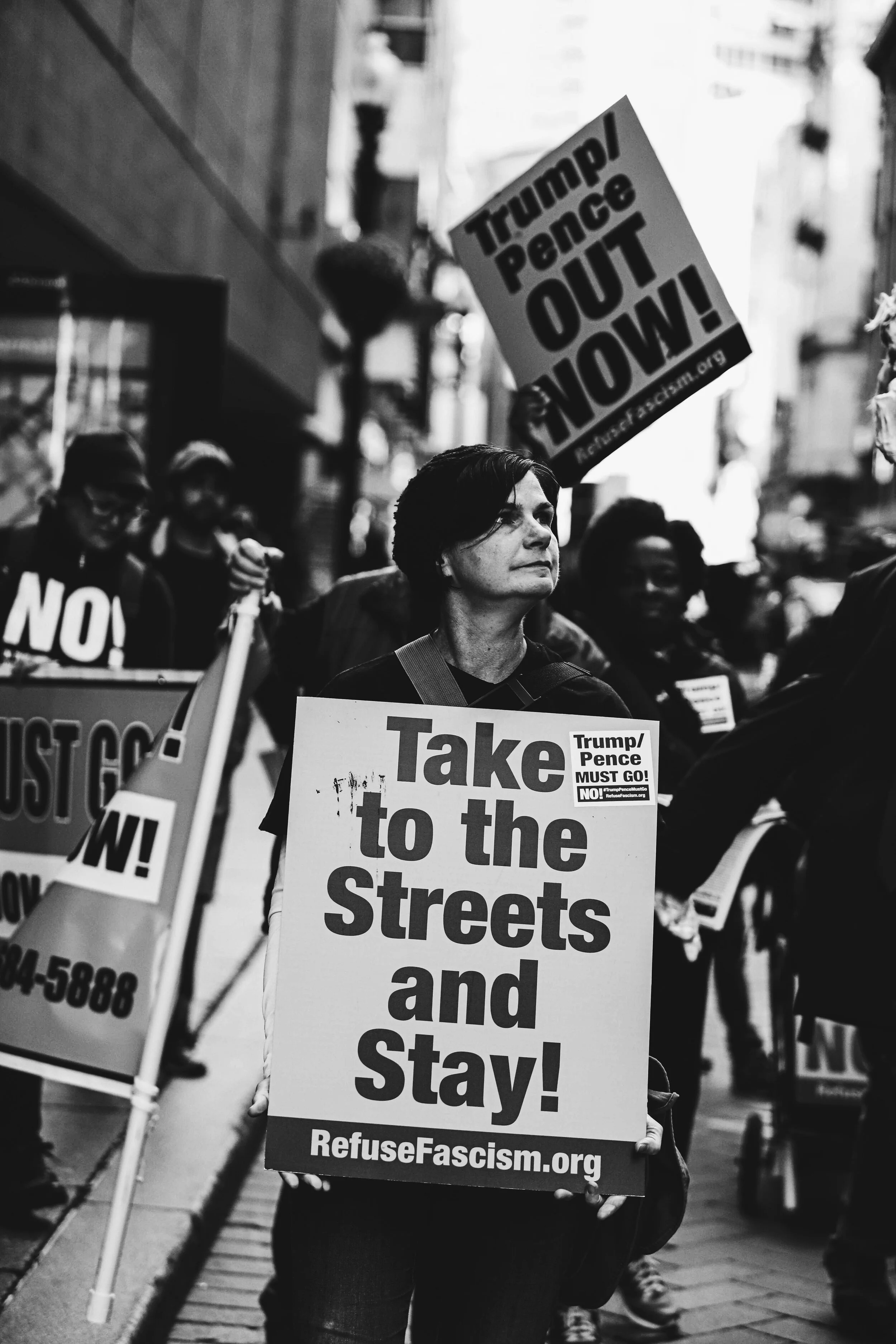
I started this project in the fall with the mission of photographing progressive protests and rallies from around Boston. Along the way, I had hoped to work on a sub-series titled Behind the Sign, interviewing and taking portraits of activists to share their story. However, as I soon found out, local activists are apprehensive to doing interviews due to increasing harassment and scrutiny from the alt-right, fringe media organizations, and politicians.
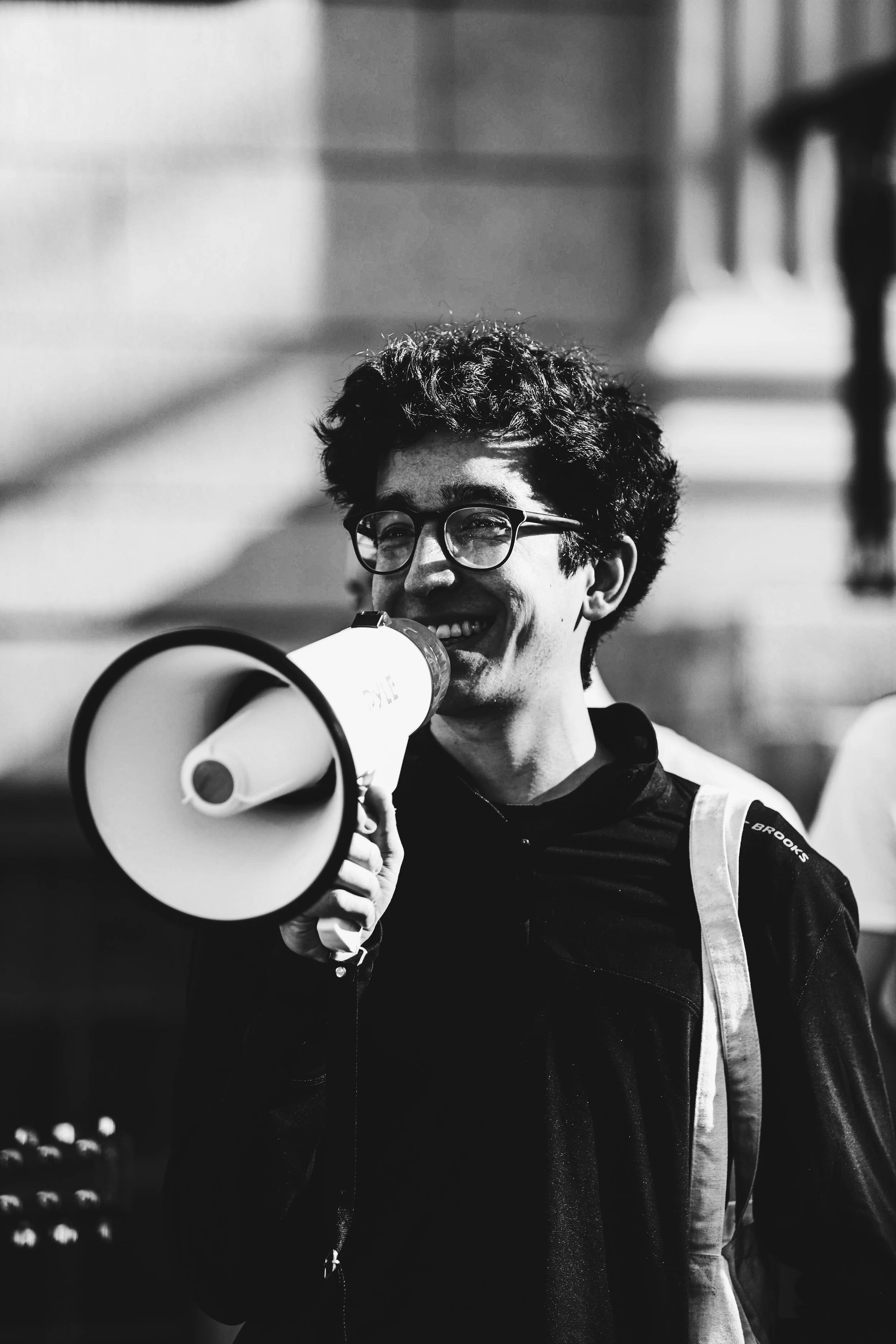
During this project, I sometimes struggled finding my place in relationship with activists. At first, I attended events as if I were the media and I generally was a fly on the wall. This outsider looking in perspective didn’t feel right, because I set out on this project not to be a journalist, but to create a long-lasting platform for activism. After all, I believed in the messages that activists (and ultimately I) shared. As I opened myself up to friendship with activists I met along the way, I discovered that a movement is more than a message — it’s about the genuine connections you form with people. Whether you strike with them another day, organize a movement with them, or share life stories, activism with otherwise strangers feels good. In a time that our numbers matter more than anything, including the billions of dollars in corporate power, friendships should matter.
It was with this journalistic approach that I attempted to take wide, establishing shots and photos that simply showed what happened. Because of this journalistic approach, I also felt a sense of urgency behind all of my photos. This led to me rushing through the editing process and trying to get the photos online as quick as possible. At this stage of the process, speed was more important than quality. I quickly realized that neither the general public nor the media would be caring about newsworthy photos of the events that I took, therefor this pressure diminished over time. I found that taking photos of a movement (not just what happened) and being more particular about curation was a more rewarding process. After all, if I were to fall in the trap of the media news cycle, my work to improve the shelf life of activist messages would be in vain.
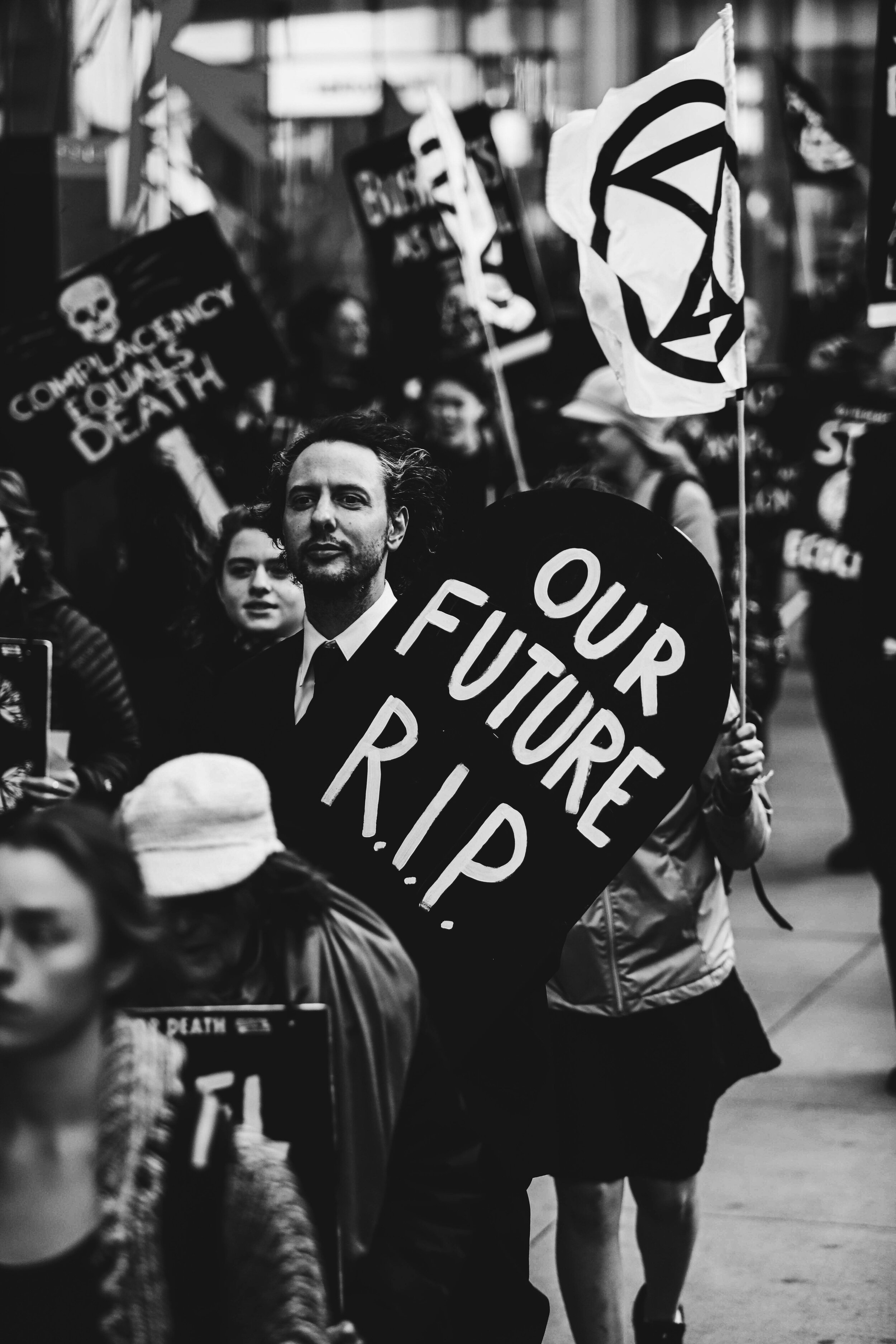
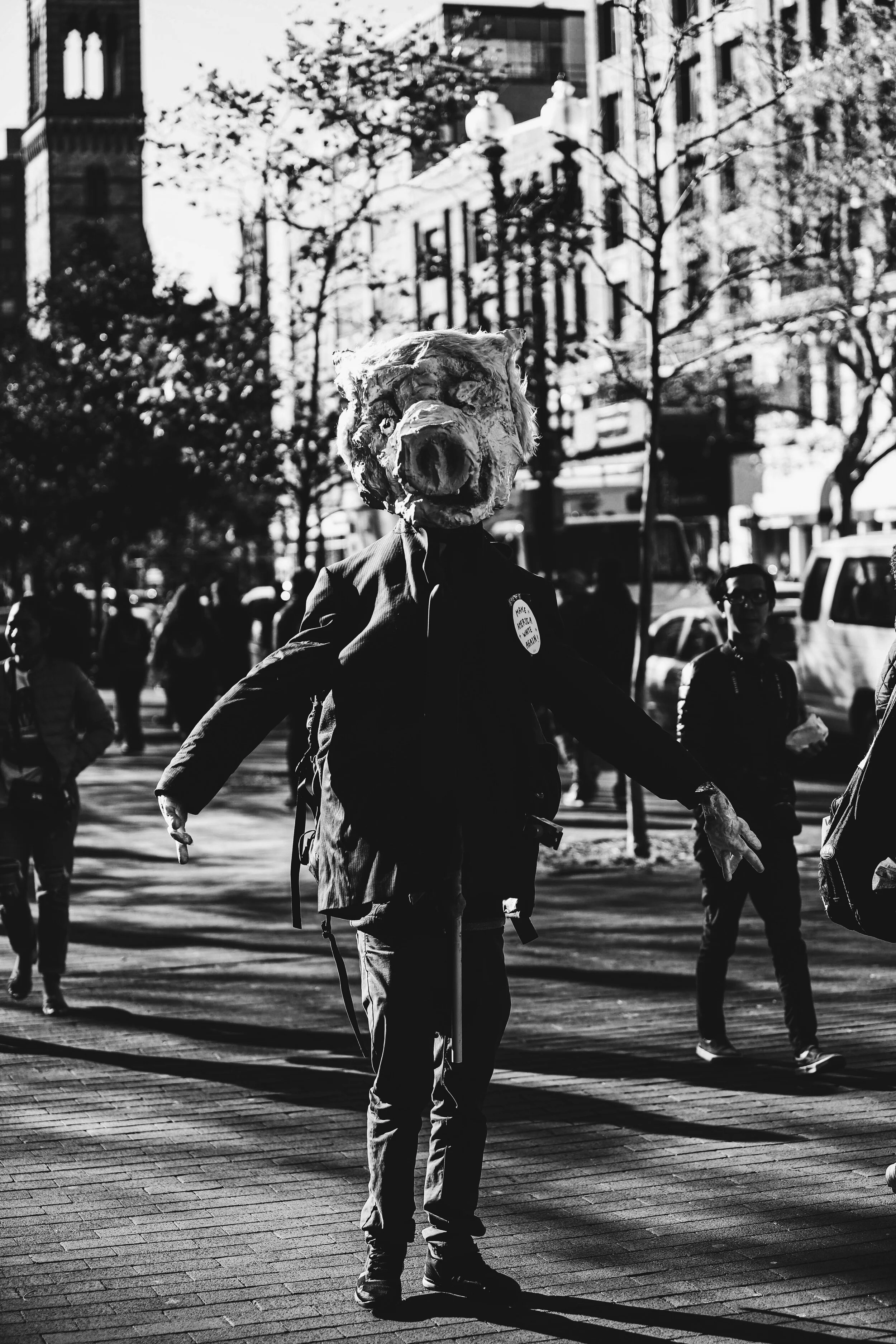
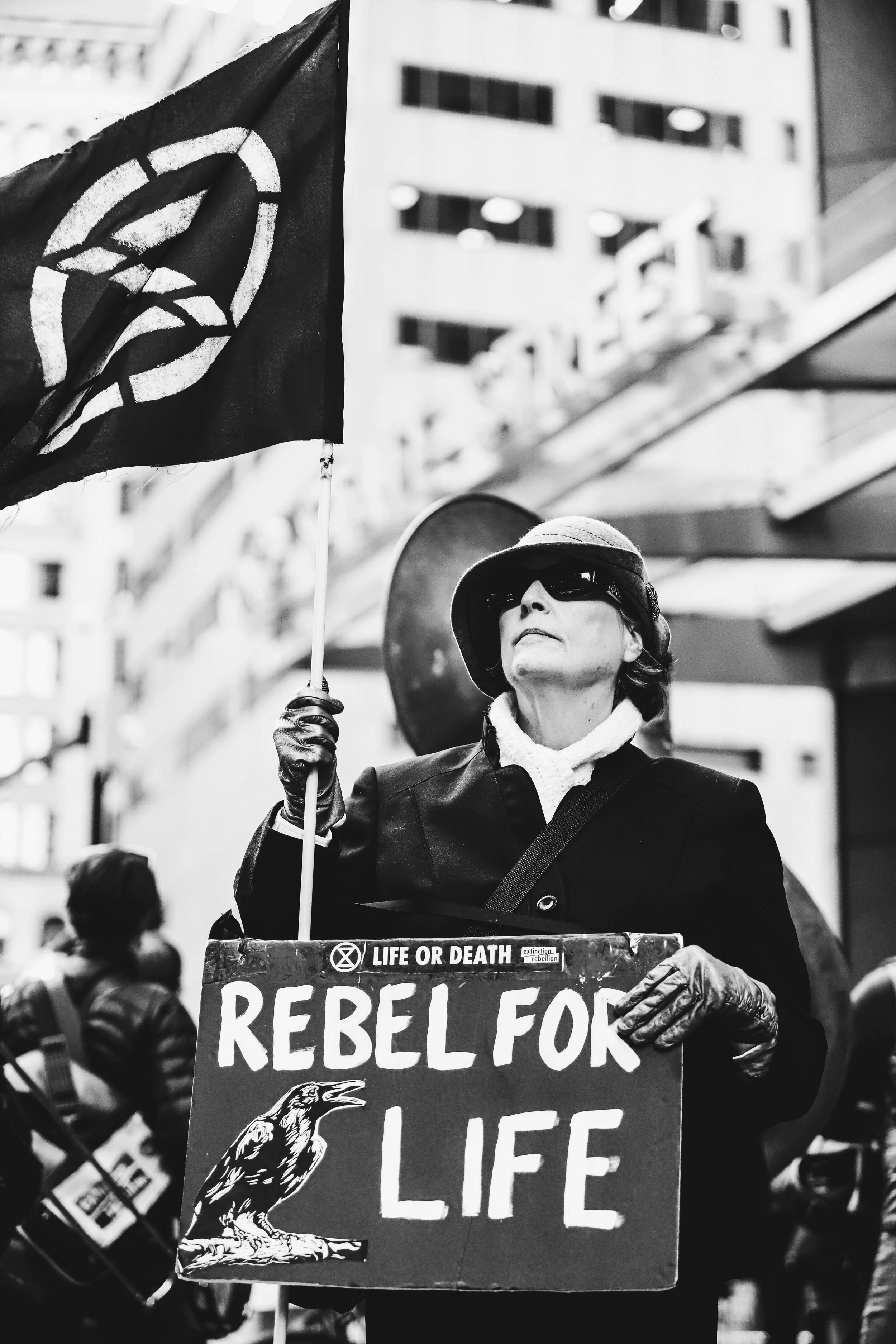
So, I proudly wore their stickers and banners and I sought to deeply understand the messages of my friends. This started when I attended Flood the Seaport, organized by Extinction Rebellion Boston. I first attended their non-violent disobedience training that they held before the event. We shared stories about why we were there, who inspired us to be there, and why we were thankful for the soil underneath our feet. We learned the process of being arrested for civil disobedience and formed affinity groups to look out for each other in the event of arrest.
When I connected with Extinction Rebellion, I found that people were drawn in to the day’s demonstration from all over New England, from all walks of life to protest for the environment. I felt moved by that, so when handed a banner to wear I proudly pinned it to my camera bag. Journalists try their best to be unbiased, to not be associated with an event they’re documenting. I wanted to be part of the movement, genuinely believing in the messages that I was sharing.
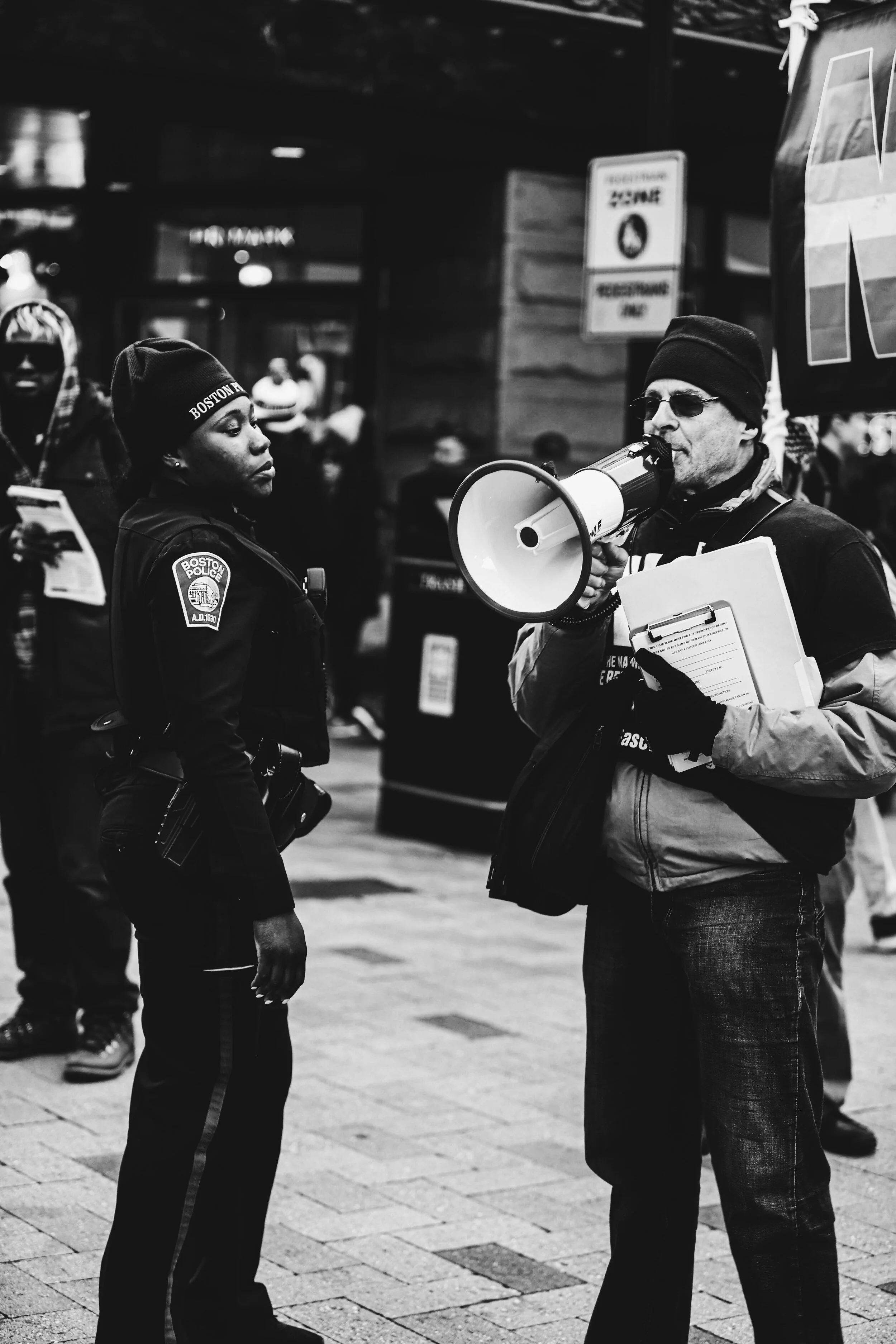
It was also through these friendships that I formed with activists that I began to follow other groups and attend smaller events. A lot of people, including myself originally, only want to join the big rallies — a lot of times to be seen. Often times we are apprehensive to participate in the smaller movements and we tend to ignore them in discomfort as we pass them on the street. The Trump Pence Out Now strike in Boston was formed by a small, very committed group of people from Refuse Fascism. While sibling events in New York City and Washington DC attracted hundreds of participants at times, the Boston movement attracted little more than a baker’s dozen.
And this is when you begin to realize that Boston isn’t the liberal city that it was perceived to be. Yes, Boston has a vast population of predominantly liberal college students, but they aren’t taking to the streets. There was a call to action from Refuse Fascism that continues to stick with me to this day — “Take to the streets and stay.” We live in an era where our energy and passion for progressive change is exhausted in Facebook comment sections, Twitter replies, Instagram posts, and Reddit threads.By the time it’s necessary to take to the streets for impactful action, the mass of Boston college students aren’t committed.
As of recent, large movements have been organized in Boston and around the country, but they fizzle as quickly as they were organized. In the 24 hour news cycle circulating the surplus of controversy, large social movements lack the sustainability needed to drive equitable change. This paradigm, accompanied by Boston’s large population of college students, makes for quick, large movements with significantly little attendees to follow-up events. For the smaller, close-knit movements around Boston you will find a friendly community of older folks, often retired and/or full-time activists.
One of my friends from Refuse Fascism was expelled from Notre Dame in the 60s for protesting the Vietnam War. While colleges like Emmanuel College and Notre Dame may now have archives “showing” how supportive they were of student activists, colleges were actually historically unwelcoming of anti-war protestors. My friend, ever since being thrown out of Notre Dame for protesting, has lived on as a full-time activist to this day.
Through my connections, friendships and stories, I saw the project Boston Voices as being a way to further sustain and provide a platform for otherwise unheard activism. As my project grew and I connected more with smaller groups, I saw less broadcast news anchors, then less newspaper reporters, then no media at all. While I don’t have an answer for the lack of vitality in 21st century activism, I hope that photo documentations can further provide a platform beyond short attention spans. I hope that through photos, people can connect with the energy and passion of the scene and feel driven to take to the streets and stay.